A bark with a long story
Few botanicals carry as much history as the root bark of Mimosa tenuiflora. Harvested from a hardy tree of Brazil's dry north-east, it has been valued for generations as a natural dye and a fixture of regional craft.
Understanding where it comes from — and what separates a good lot from a poor one — helps makers get consistent results and buy with confidence.
Why colour varies between harvests
Mimosa grows in the caatinga, a semi-arid landscape where rainfall swings widely from year to year. Those conditions shape the bark's tannin and pigment content, so colour strength naturally differs between harvests.
This is normal for a single-origin natural material. We inspect every lot and note its character rather than blending everything to a flat average.
How to recognise premium bark
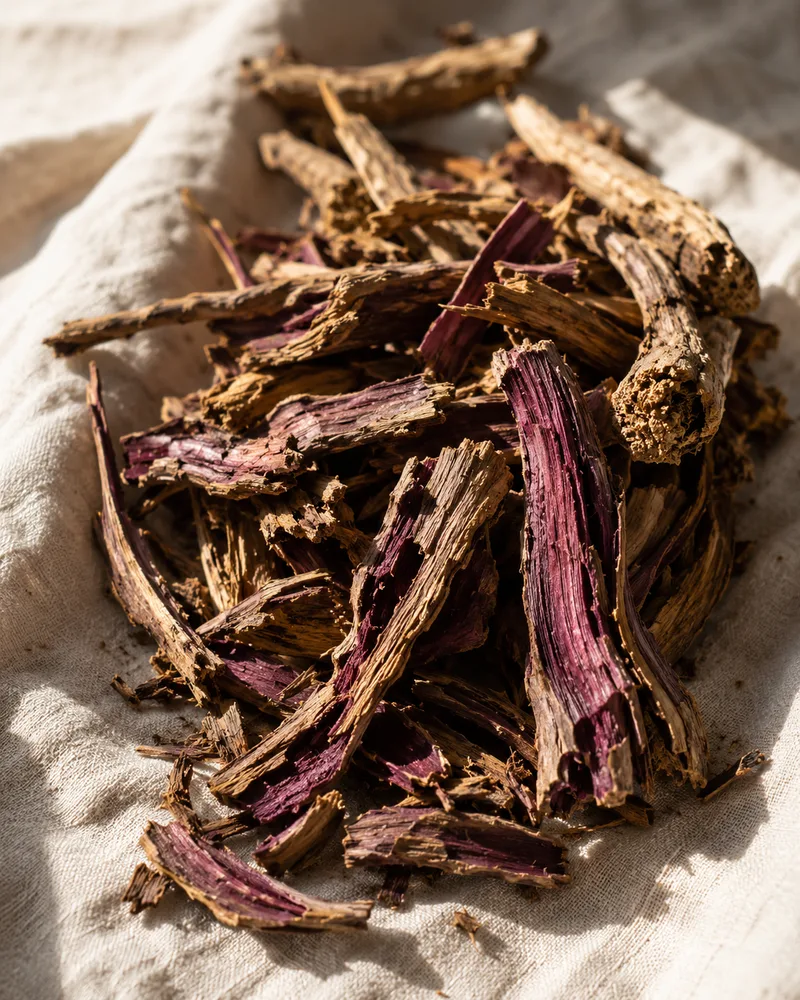
Good MHRB is the inner root bark only — clean, dry and free of woody filler or unrelated species. It should smell earthy, not musty, and arrive in resealable packaging that protects it from humidity.
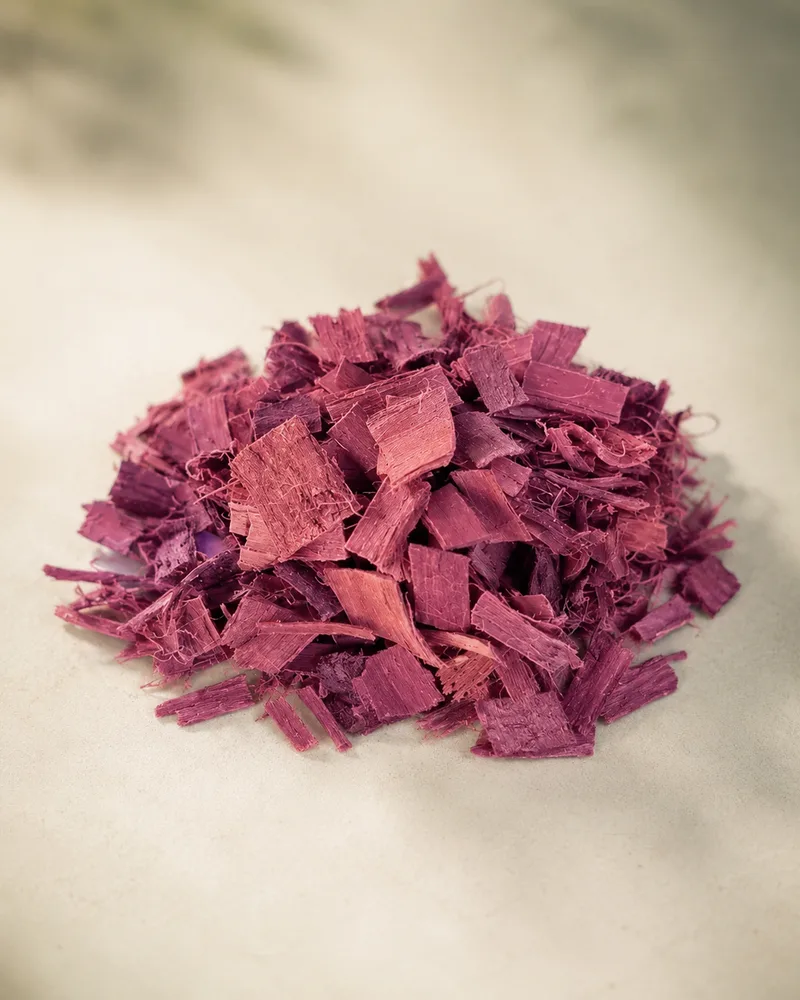
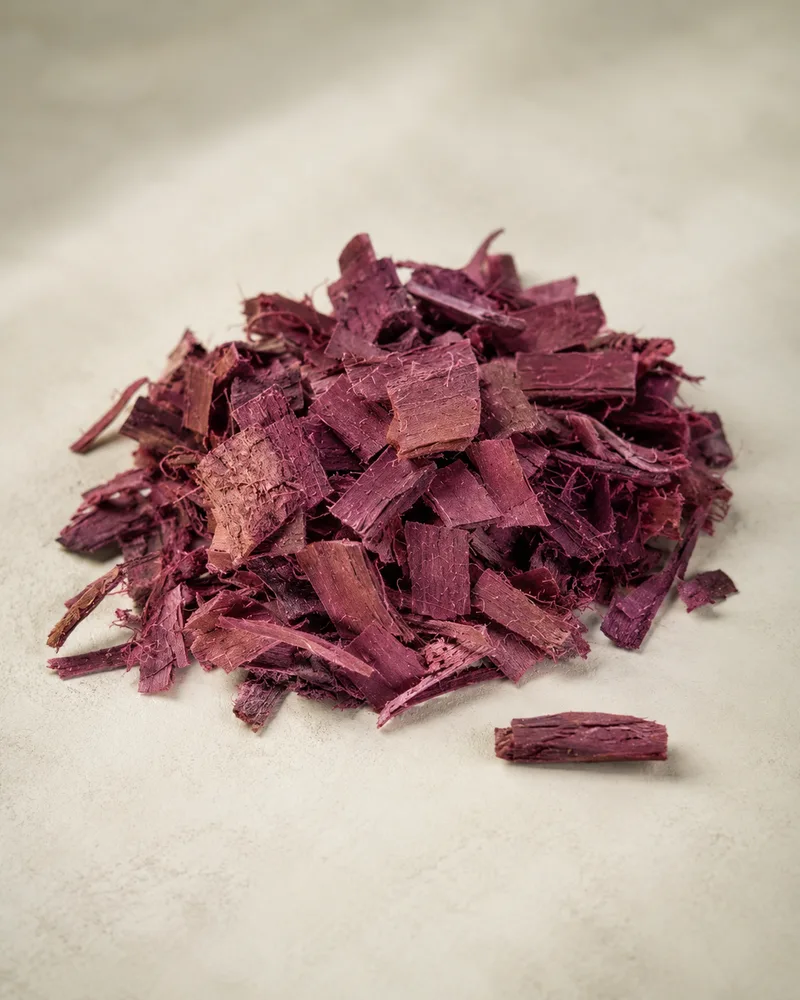
Our bark is offered shredded, whole or powdered. The cut is a convenience choice; the material underneath is the same single-origin bark.
Buying responsibly
Because this is a high-interest botanical, regulations differ from place to place. Always check your local rules before purchasing — our checkout will flag a destination we cannot ship to.
We source through direct relationships with harvesters in Bahia, which keeps the supply traceable and fair.